 3-Day Serengeti Safari from Arusha
Icon of African Wildlife and the Great Migration
This 3-day Serengeti safari from Arusha is designed for travellers who want to experience Serengeti — the world’s most famous wildlife destination. Serengeti’s main distinction from other national parks in Tanzania is the Great Migration — a natural cycle in which wildebeest, zebras and gazelles move through the Serengeti ecosystem throughout the year, following the rains, water and fresh grass.
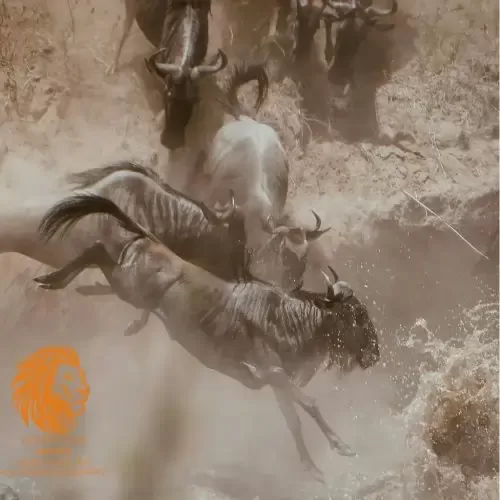
At certain times of the year, Great Migration animals tend to concentrate in different areas of Serengeti: in July–August, river crossings can be observed in Northern Serengeti; in January–February, the calving season begins in Southern Serengeti; and in May–June, the migration moves westwards. However, nature does not follow the calendar precisely. The amount and timing of rainfall determine where water and the freshest grass are found, so it is not possible to predict exactly where the animals will be at any given time.
Many travellers are particularly interested in the dramatic river crossings in Northern Serengeti in July–August. This is also the time when Serengeti receives the highest number of visitors, and travellers are more likely than in other months to compete with dozens of other safari vehicles for the best wildlife-viewing positions.
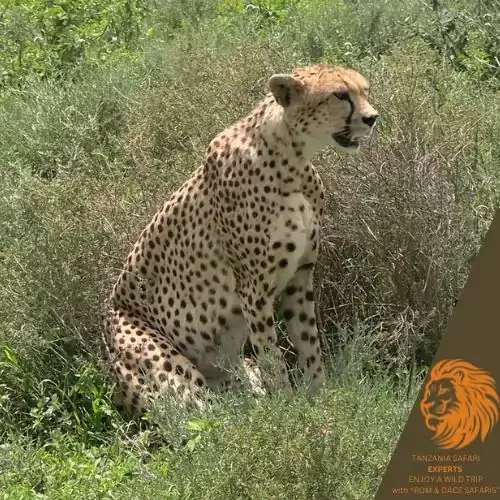
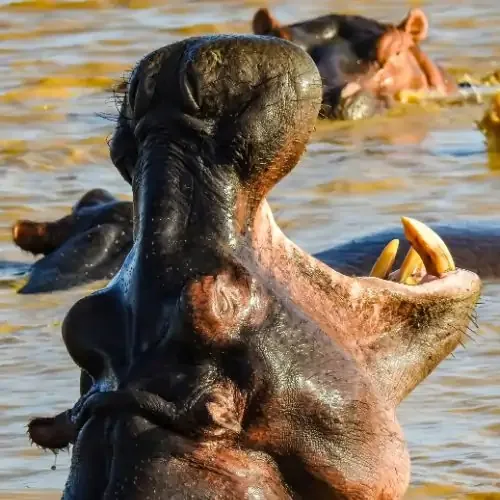
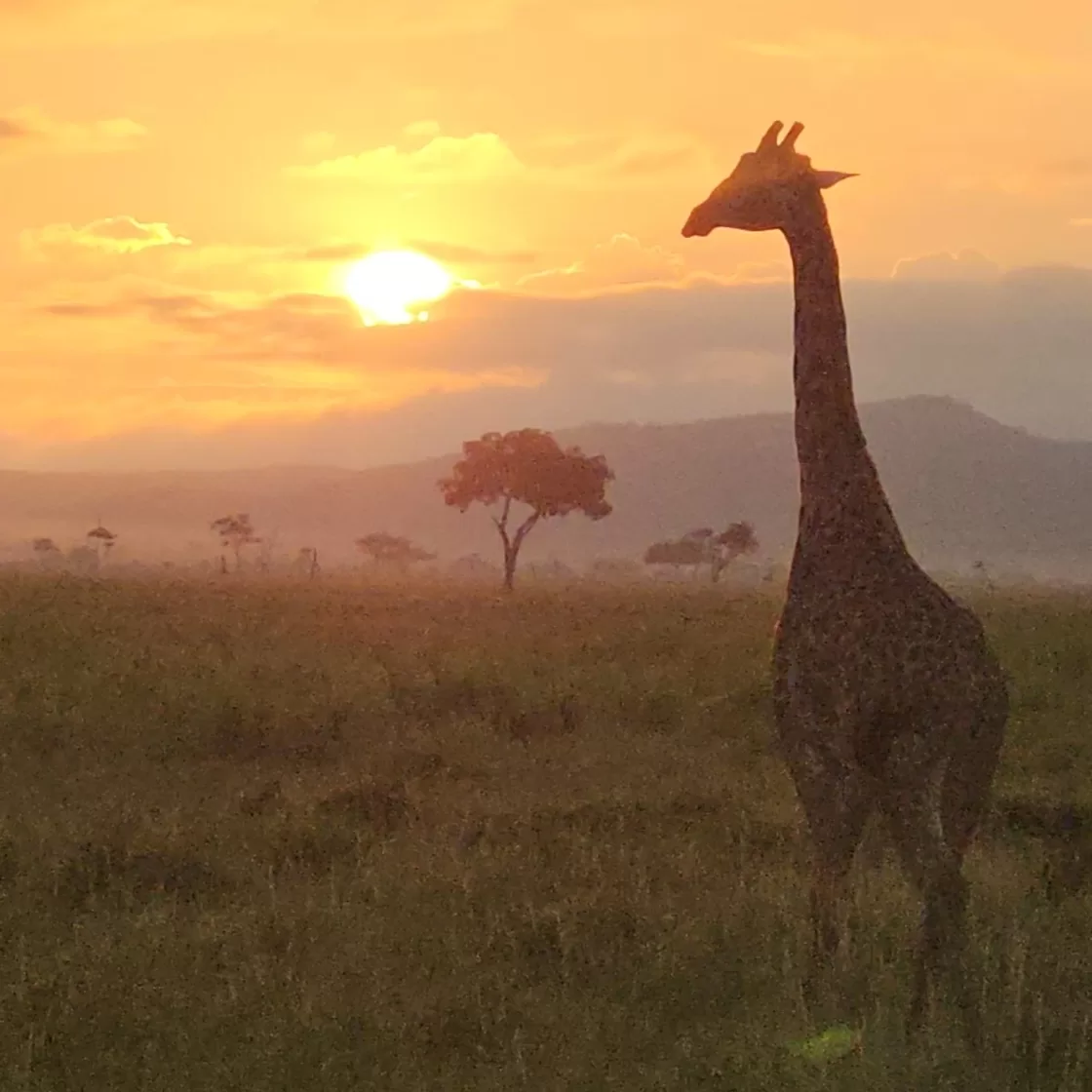
However, life in Serengeti is rich and rewarding throughout the year, especially in the central Serengeti area — Seronera, where there is a high concentration of resident wildlife. Regardless of where the Great Migration is at any given time, there are real opportunities to see big cats — lions, cheetahs and leopards — as well as elephants, hippos, giraffes, antelopes and other wildlife.
This 3-day Serengeti safari is private, allowing you and your safari driver-guide to make flexible decisions about exploring Serengeti. The itinerary, with two nights in Seronera, is designed to be adapted in practice to the actual conditions in the wild and to make the most of the best opportunities for wildlife viewing and experiencing the wilderness.
The tour starts and ends in Arusha.
Safari Highlights
Duration: 3 days / 2 nights
Route: Serengeti National Park via Ngorongoro Conservation Area
Accommodation: Tented camps or camping (based on selected option)
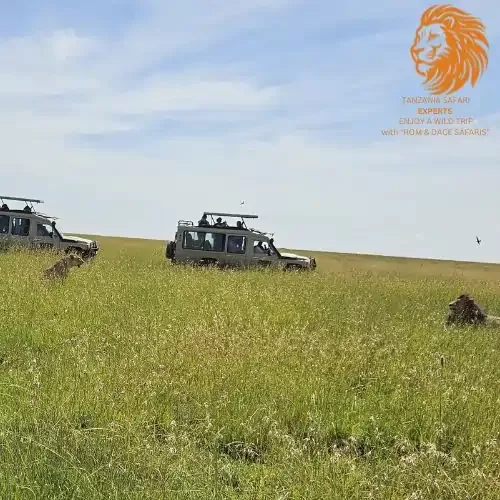
Transport: Private 4x4 safari vehicle Toyota Land Cruiser with pop-up roof and driver-guide
Type: Private, tailor-made 3-day Tanzania safari
Extended time inside Serengeti with approximately 2 full days in the park
Part of the Great Migration route (seasonal, depending on movement)
Behind your safari
Your safari is organised by Tanzania Safari Experts – ROM
& DACE SAFARIS, a licensed Tanzanian tour operator specialising in tailor-made
private safaris – from planning your itinerary to making sure everything
works smoothly on the ground. Behind every safari is a local team with knowledge,
experience and a deep understanding of Tanzania and its wildlife.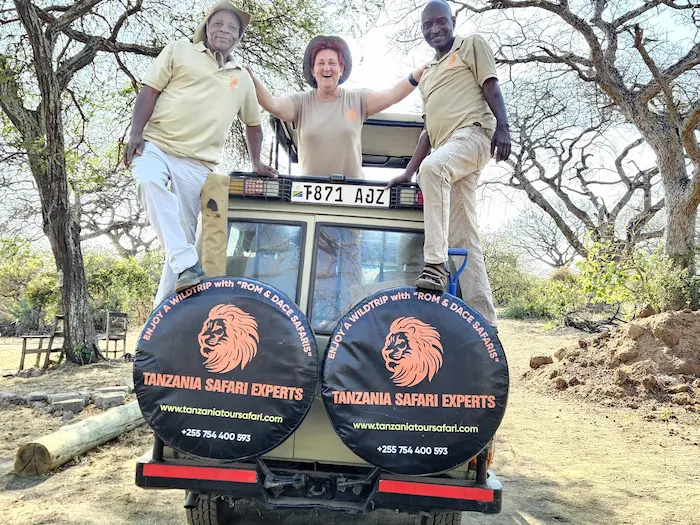
Our company is led by Roman and Dace. Dace brings a European traveller’s perspective, while Roman brings deep, first-hand knowledge of Tanzania, its places and people, and how safari works on the ground. Dace and Roman do not accompany every safari – they are the people behind the company and the journeys it organises. When you are in Tanzania, they are available if you need assistance or support.
Your safari is led by our local safari driver-guides, and you travel in your own Toyota Land Cruiser with a pop-up roof.
A private safari means you do not share the vehicle with other travellers – you have your own vehicle and driver-guide, and the pace of each day can be adapted to the conditions in the wild and to your interests.
Your safari booking starts with a conversation. Once the programme and travel dates have been agreed, the safari booking is confirmed with the first 50% payment. Once we receive it, we begin booking the accommodation and organising your safari. The remaining 50% must be paid no later than one month before the start of the safari.
3-Day Serengeti Safari – Pricing:
This safari itinerary offers two accommodation options: Comfort Safari and Camping Safari. Choose the safari experience that suits you best: the price depends on the selected option and the number of travellers.
Comfort Safari: Accommodation in safari-style tents furnished like rooms, with furniture, a private bathroom and shower.
Camping Safari: Accommodation at a public campsite in Serengeti managed by the Tanzania National Parks Authority (TANAPA) — a more authentic and immersive experience close to nature. Shared toilet and shower facilities. Suitable only for travellers with previous camping experience.
Price per person depending on group size (1–6 people)
| Comfort safari | Camping safari |
| 1 person — 3591 USD | 1 person — 2441 USD |
| 2 persons — 2420 USD | 2 persons — 1572 USD |
| 3 persons — 2150 USD | 3 persons — 1255 USD |
| 4 persons — 1978 USD | 4 persons — 1144 USD |
| 5 persons — 1837 USD | 5 persons — 1044 USD |
| 6 persons — 1739 USD | 6 persons — 973 USD |
What’s included in the safari price
Both safari options include the same safari services and inclusions; the only differences are the type of accommodation and how meals are provided.Safari tour price includes
Included in both safari options:
| + Support available throughout the safari | + 3 days / 2 nights safari |
| + Private Toyota Land Cruiser safari vehicle with a pop-up roof | + English-speaking driver-guide |
| + All park fees | + Game drives as per itinerary |
| + Pick-up and drop-off (as per itinerary) | + Drinking water |
Accommodation and meals according to the selected safari option:
| Comfort Safari | Camping Safari |
| Safari-style tents furnished like rooms, with furniture, a private bathroom and shower. All meals are provided by the accommodation. | TANAPA campsite, tent and mattress provided; shared toilet and shower facilities. All meals at the campsite are prepared by a safari cook who travels with you. |
Safari tour price does not include:
| - International flights and visas | - Travel insurance |
| - Tips (Tipping Guide for Tanzania Safari) | - Personal expenses |